A damp cabinet floor, a stain spreading across the ceiling, or a water bill that keeps climbing can all point to a leak you cannot see. The longer it goes unchecked, the more damage it can do to walls, floors, fixtures, and the areas around your plumbing.
Cardinal Plumbing helps homeowners across Columbus, OH track down the source, explain what is happening, and carry out the needed leak repair with care for your home. If something feels off, we can help you make sense of the symptoms before a small problem turns into a larger one.
Signs to watch
Some leaks are easy to spot, but many start behind surfaces or under fixtures where they can go unnoticed for days or weeks. Paying attention to small changes often makes the difference.
- Water stains on ceilings, walls, or cabinet bottoms
- Musty odors near sinks, tubs, or laundry areas
- Cabinets, flooring, or trim that feel soft, warped, or swollen
- Unexplained increases on your water bill
- Dripping sounds when no fixture is running
- Visible moisture around shutoff valves, toilets, or supply lines
If you notice more than one of these signs, it is worth having the line, fixture, or connection checked before the leak spreads further.
Where leaks hide
Leaks do not always show up where the damage appears. A ceiling stain may come from a bathroom above. A wet baseboard may trace back to a supply line inside a wall. Finding the source takes a careful look at the whole setup, not just the visible spot.
Fixture connections
Drips around sinks, toilets, tubs, and laundry hookups often begin at worn parts, loose fittings, or damaged supply lines. Even a slow drip can leave staining or moisture around the fixture base.
Supply lines and shutoffs
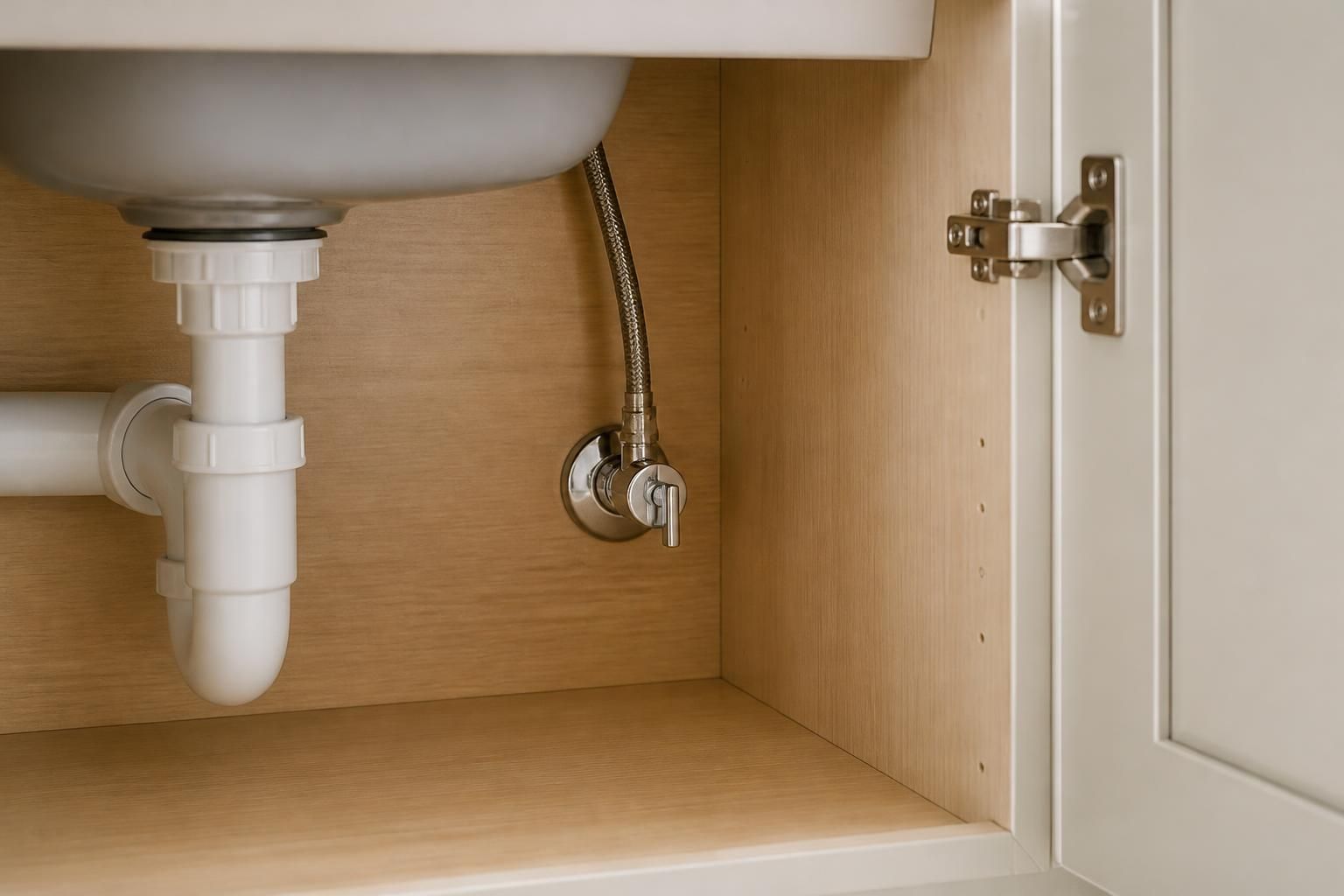
Flexible lines and shutoff valves can loosen, corrode, or crack over time. These leaks may be small at first, but they can continue long enough to cause damage near the wall or floor.
Hidden wall or floor leaks
Leaks behind drywall or under flooring may show up as bubbling paint, soft spots, or lingering dampness. These are the kinds of problems that need a closer inspection to locate without guesswork.
How we find it
Leak detection should be about more than spotting water. The goal is to identify the source accurately so the repair addresses the real problem. We start by listening to what you have noticed, then we inspect the affected area and nearby plumbing to narrow things down.
- Listen and inspect. We begin with the symptoms you have seen and check the fixture, line, or area where the moisture appears.
- Trace the source. We look for patterns that connect the visible damage to the actual leak point.
- Explain the repair. Once the source is found, we walk you through what needs attention and what can wait.
- Complete the fix. We handle the repair with attention to surrounding materials and the condition of your plumbing.
Cardinal Plumbing keeps the process straightforward so you know what was found and what was done before we leave.
Repair options
Different leaks call for different repairs. Some are simple connections that need tightening or replacement. Others involve worn components or damaged sections that must be swapped out to stop the moisture at its source.
Small connection leaks
Loose fittings, worn seals, and aging supply lines are common trouble points. Repair may involve replacing the failing part or resetting the connection so it can hold under normal use.
Fixture-related leaks
Sinks, toilets, tubs, and other fixtures can leak around the base, supply, or drain connection. We look at the fixture itself and the parts that support it so the repair addresses the full problem area.
Wall and floor concerns
When a leak has affected drywall, subflooring, or nearby trim, it is important to stop the source first. After that, you can plan the next steps for cleanup or restoration with a clearer picture of the damage.
Why quick action matters
A leak rarely stays the same for long. What starts as a drip can become a steady source of moisture that affects cabinets, paint, flooring, and the structure around the plumbing. Catching it early can reduce how far the water spreads and limit the mess that follows.
Even small leaks can lead to higher utility bills and recurring moisture that is easy to ignore at first. If a repair keeps getting postponed, the area around the leak may become harder to restore later. Acting sooner helps you stay ahead of that cycle.
Common causes
Leaks often come from wear, movement, or age in the plumbing parts that see frequent use. Knowing the likely causes can help you decide what to check first.
- Loose supply line connections
- Worn washers, seals, or gaskets
- Cracked or aging tubing
- Fixture base failures
- Corroded valve parts
- Damaged drain connections
Some causes are obvious once the area is opened and inspected. Others require a careful look at nearby plumbing to separate the source from the visible damage.
What to do first
If you suspect a leak, a few simple steps can help protect the area until it is inspected. These actions do not replace a repair, but they can limit additional moisture while you wait.
- Check the source area. Look for pooling water, active dripping, or moisture around the fixture, cabinet, or wall surface.
- Use the fixture less. If the leak seems tied to a sink, toilet, tub, or appliance hookup, reduce use until it is assessed.
- Clear the space. Move items away from the wet area so the problem can be seen and accessed more easily.
- Call for inspection. Reach out for leak detection and repair before the damage spreads farther.
Serving Columbus, OH and nearby areas such as Dublin, Westerville, Hilliard, Grove City, and Upper Arlington, Cardinal Plumbing is ready to help when the signs point to hidden moisture or an active drip.
Common questions
How do I know a leak is hidden?
Hidden leaks often show up as stains, soft spots, odors, or a water bill that does not match your usual use. The leak source may be behind a wall, beneath a fixture, or under a floor surface.
Can a small drip cause damage?
Yes. Even a slow drip can stain surfaces, soak nearby materials, and keep an area damp long enough to create more serious repair needs later.
Do I need to know the exact source first?
No. You do not need to pinpoint the leak before calling. If you can describe what you see, hear, or smell, that helps us start the inspection faster.
What areas of the home leak most often?
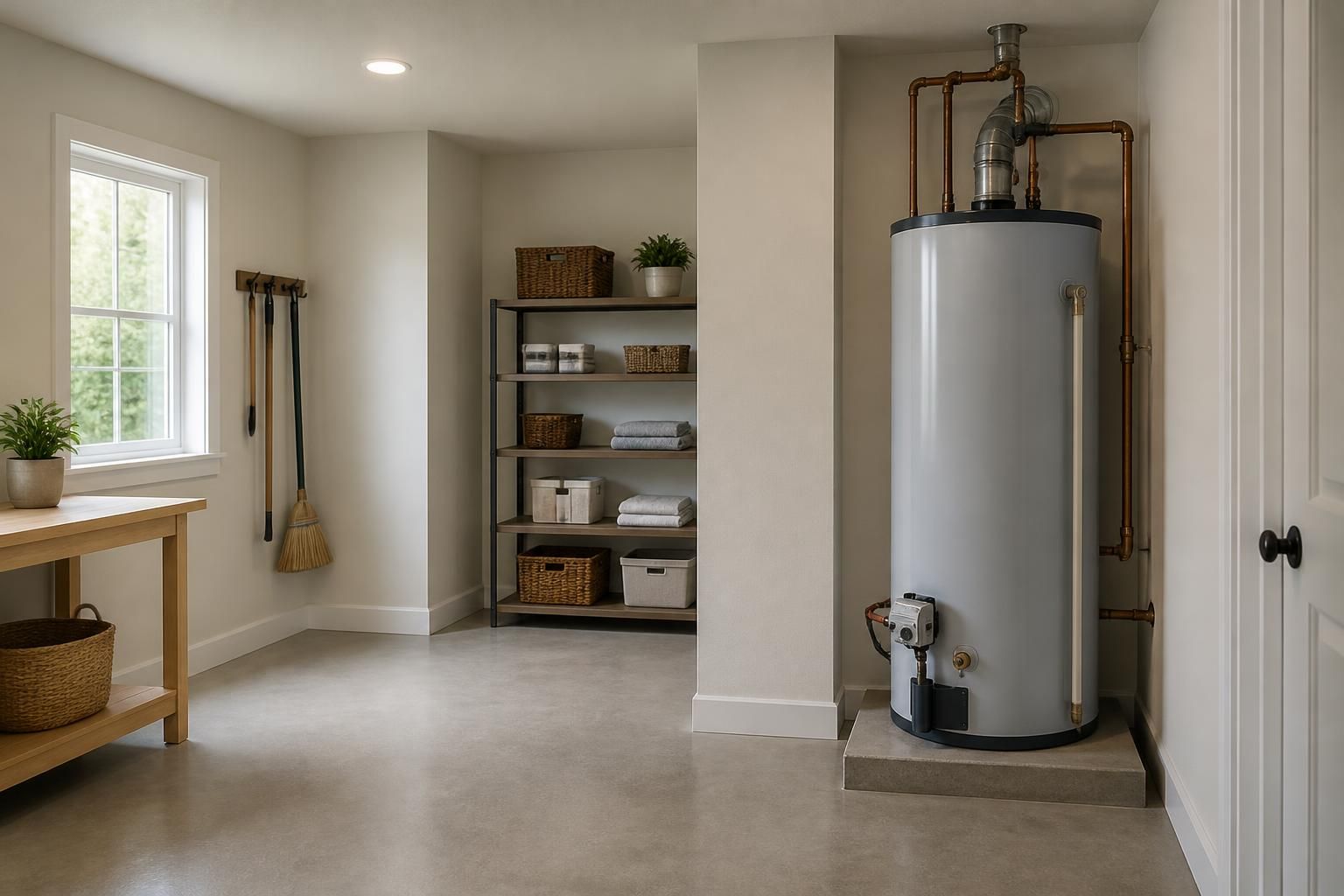
Bathrooms, kitchens, laundry hookups, and utility spaces are common places to find leaks because these areas include multiple water connections and fixtures.
What should I save or note before the visit?
Write down when you first noticed the problem, where moisture appears, and whether the signs change after using a certain fixture. Photos can also help show how the leak is developing.
Can you help if the leak seems to be coming from a fixture?
Yes. Fixture leaks are a common part of our work, and we can inspect the surrounding connections, parts, and visible damage to determine the needed repair.
Schedule help
When a leak is making you worry about damage, water waste, or repeated cleanup, it helps to get it checked before the problem spreads. Cardinal Plumbing offers leak detection and repair for homeowners across Columbus, OH with clear communication and respect for your space.
To get started, call +16145550142 or email hello@cardinalplumbing.example. Our hours are Monday through Friday, 8:00 AM to 6:00 PM, and Saturday from 9:00 AM to 2:00 PM.